On Horseback in Africa: How I Plan Equestrian Safaris in Kenya and Botswana
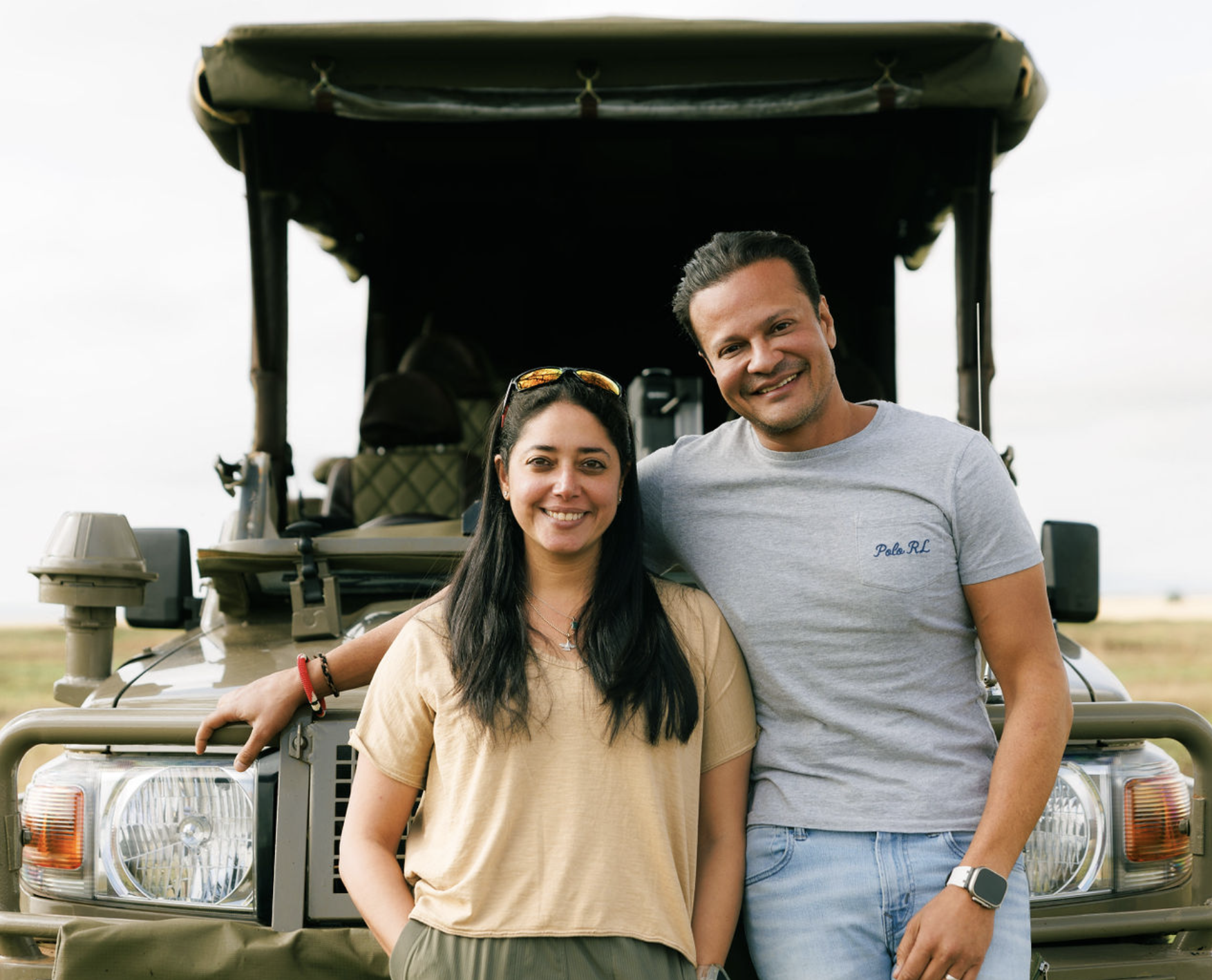
If you know me, you know this: I speak “horse” fluently.
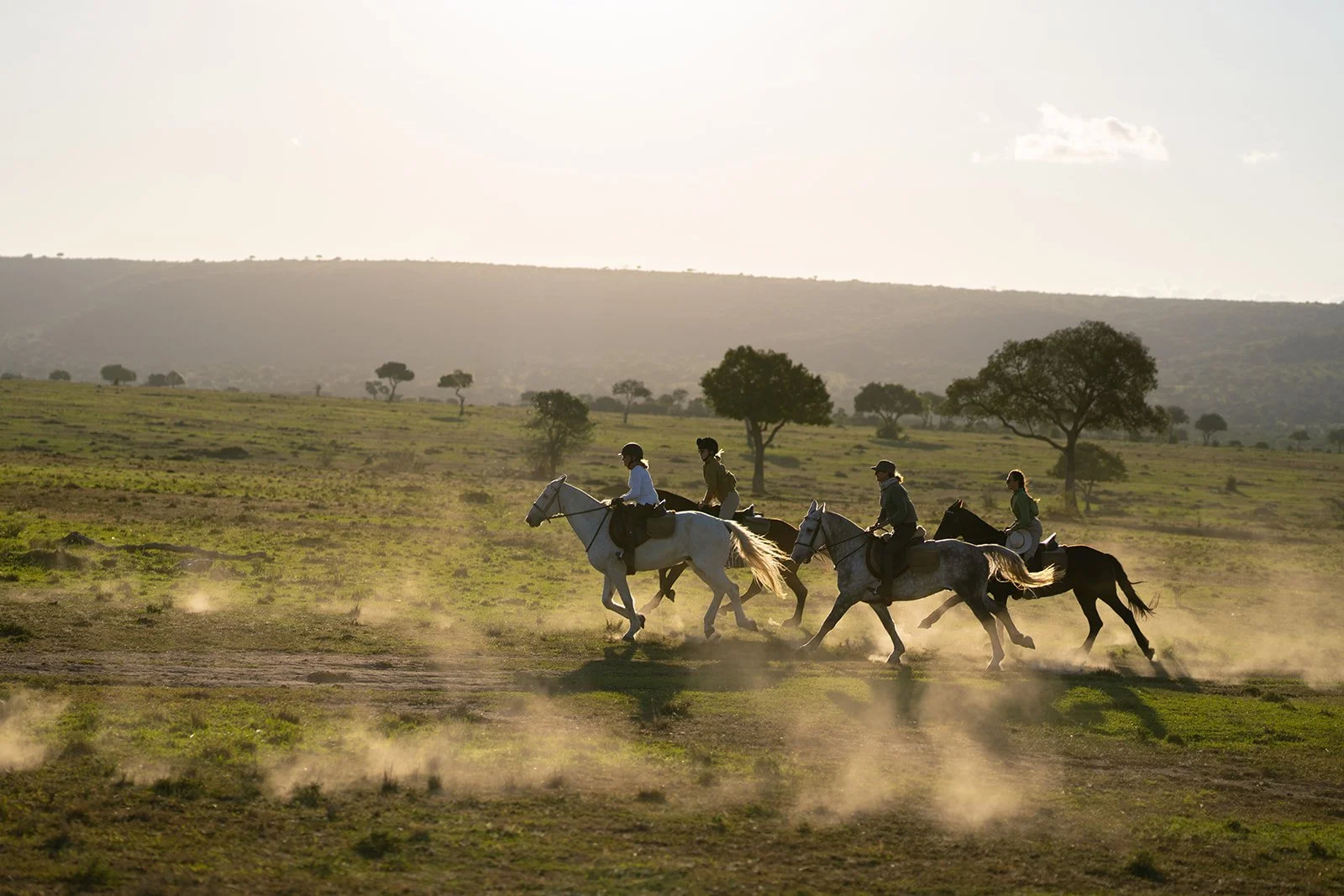
I’ve spent a huge part of my life in the equestrian world - especially polo - and it’s shaped the way I travel, the way I connect with people, and the way I understand landscapes. Horses have a way of taking you into a place rather than simply through it.
So when a client says, “Bobby, I don’t want to see Africa from a vehicle - I want to ride it,” I know exactly what they’re asking for.
They’re asking for a safari with heartbeat.
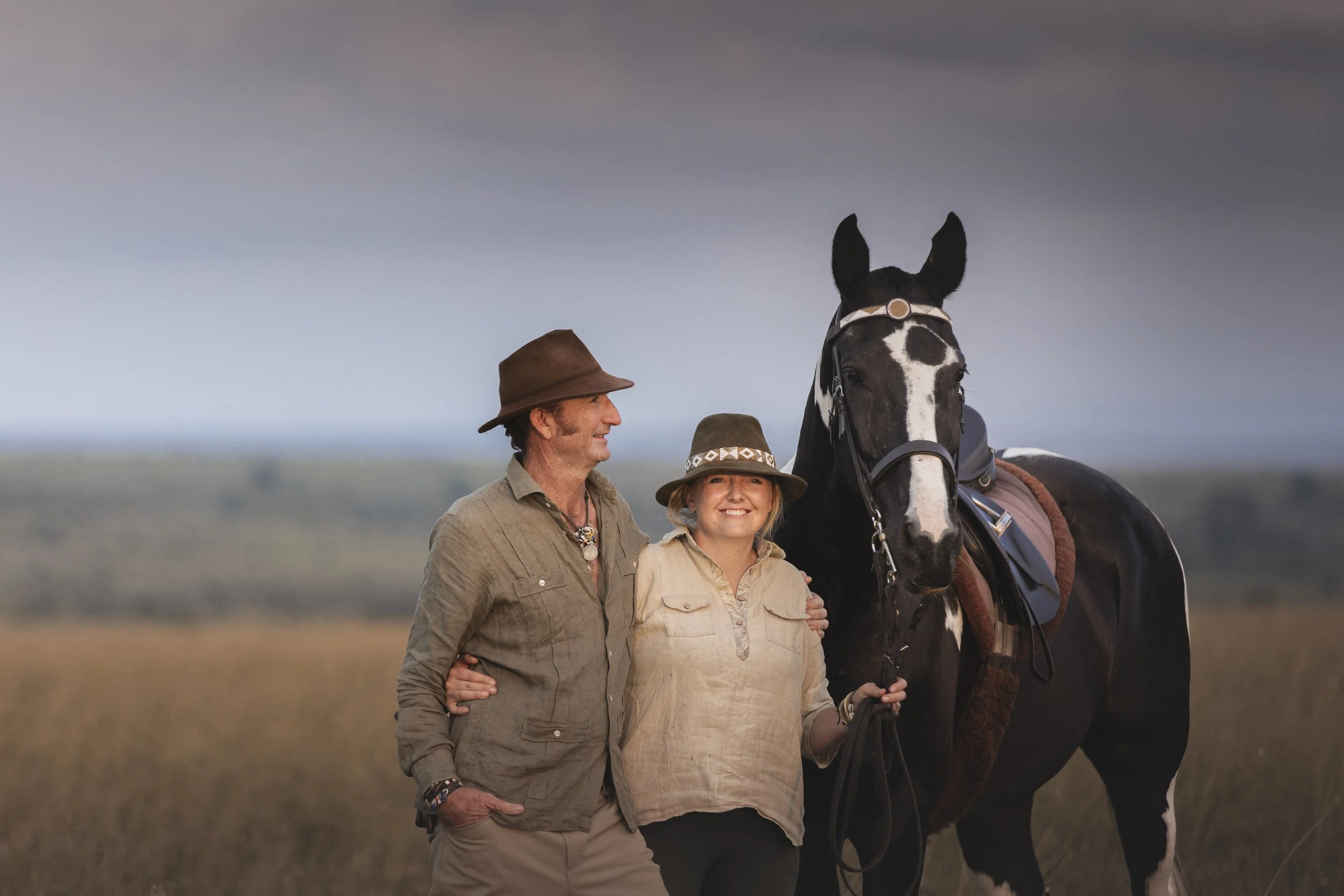
At ZIA Travel Atelier, we design bespoke itineraries for special interests - and equestrian journeys are explicitly part of what we do. But a true horseback safari is not something you bolt onto a trip at the end. It’s a discipline. It requires the right destinations, the right operators, the right horses, and an honest conversation about rider ability.
This guide is how I approach it - especially in two of my favourite countries to do it properly: Kenya and Botswana.
What makes a horseback safari different from any other safari
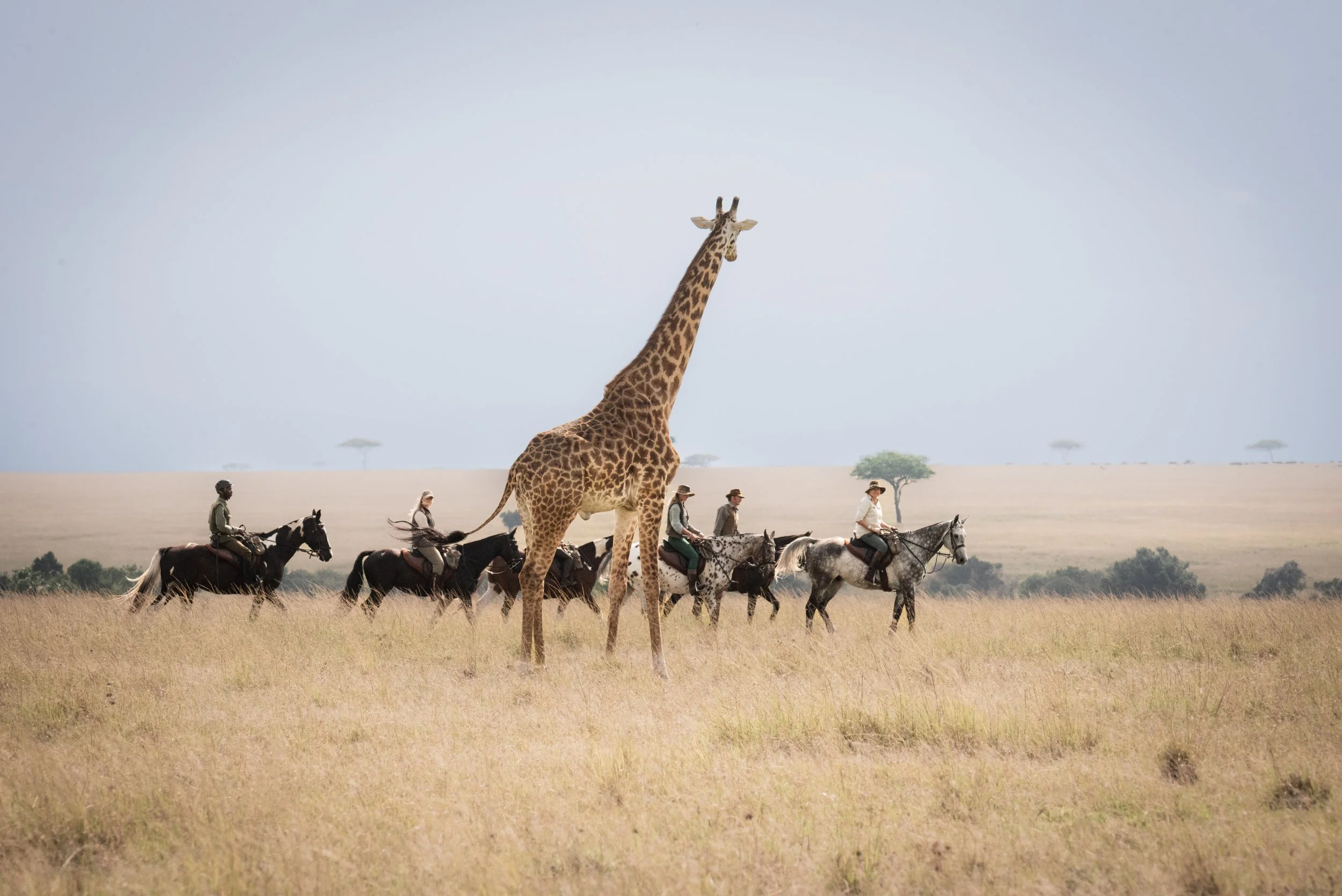
A classic game drive is extraordinary. But the saddle changes your relationship to everything around you.
On horseback, you notice:
how the wind shifts before the animals do
how the terrain feels under hoof
how close you can be to wildlife without feeling intrusive
how silent movement changes the mood of a sighting
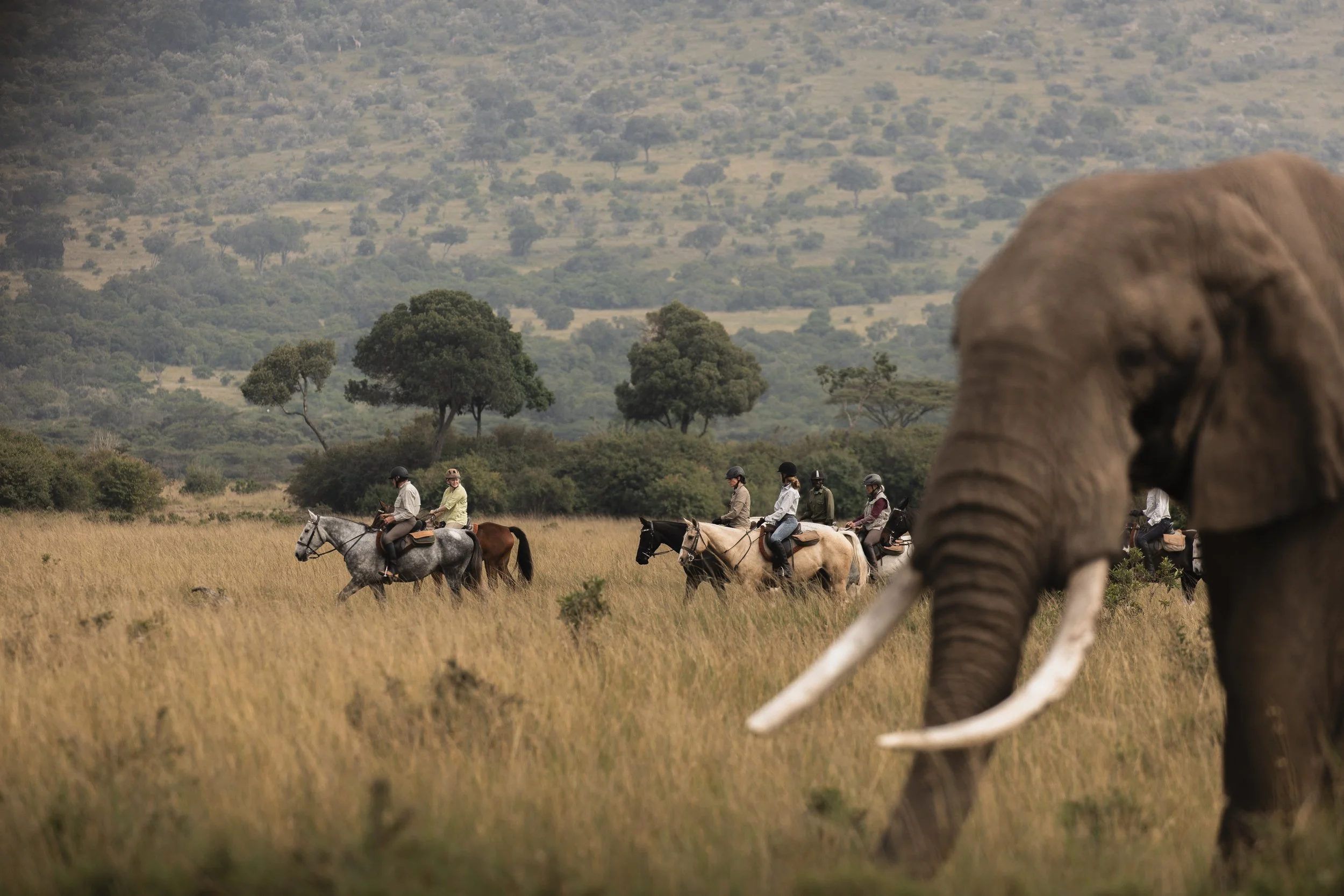
In the right areas, plains game often accepts horses as part of the landscape. It’s one of the most immersive ways to experience Africa - but it must be done with expert guiding and strict safety protocols.
The first question I ask: “What kind of rider are you, really?”
This is where I’m careful - because honesty here protects everyone.
When I’m planning a riding safari, I ask about:
your riding background (years, disciplines, confidence at speed)
whether you can walk, trot, canter comfortably in open terrain
whether you can handle unpredictability (wildlife, sudden movement, terrain changes)
fitness level (hours in the saddle add up quickly)
any injuries or limitations
your comfort with “big sky” exposure - riding in vast spaces is exhilarating, but it’s different from arenas and trails at home
Some riding safaris are suitable for mixed abilities. Others are specifically designed for competent riders.
And in certain places - like the Okavango - outfits may require riders to be able to canter or gallop confidently for safety. Condé Nast Traveler captured this perfectly with the line about being able to “gallop out of trouble.”
Kenya on horseback: where safari and equestrian culture meet
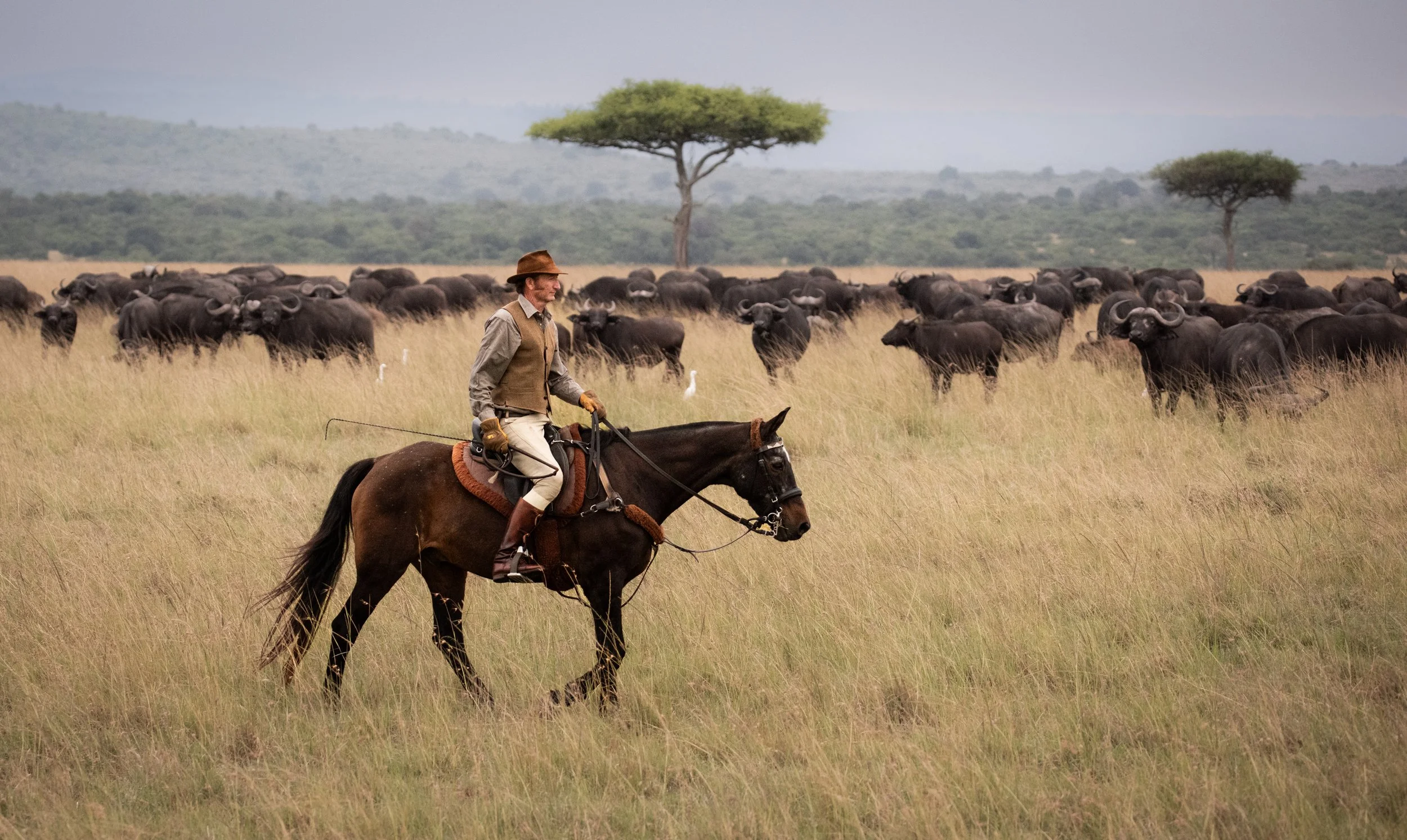
Kenya has a deep riding culture, and it offers something very special: open landscapes, strong guiding, and the ability to combine riding with classic safari and coast in one journey.
ZIA’s own Kenya story describes the country as a place of contrasts - savannahs meeting the Indian Ocean - and that variety is exactly what makes Kenya brilliant for equestrian travellers.
1) Laikipia: riding, conservation, and huge skies
If you want riding that feels expansive and purpose-driven, Laikipia is a powerful place to start. It’s also one of the landscapes ZIA speaks about in our own story - the “morning mist in the Laikipia highlands” is a real feeling.
One of the most well-known names in this region for riding is Borana Conservancy / Borana Lodge, where horseback remains a core part of the experience.
Why Laikipia works so well for a riding safari:
the landscape is varied (plains, acacia, forest edges)
wildlife viewing is excellent, often with fewer vehicles
you can blend riding with game drives and walking
conservation stories are tangible, not just branding
2) The Maasai Mara: for confident riders who want “Out of Africa” energy
The Mara is iconic on wheels - but on horseback, it can feel almost surreal.
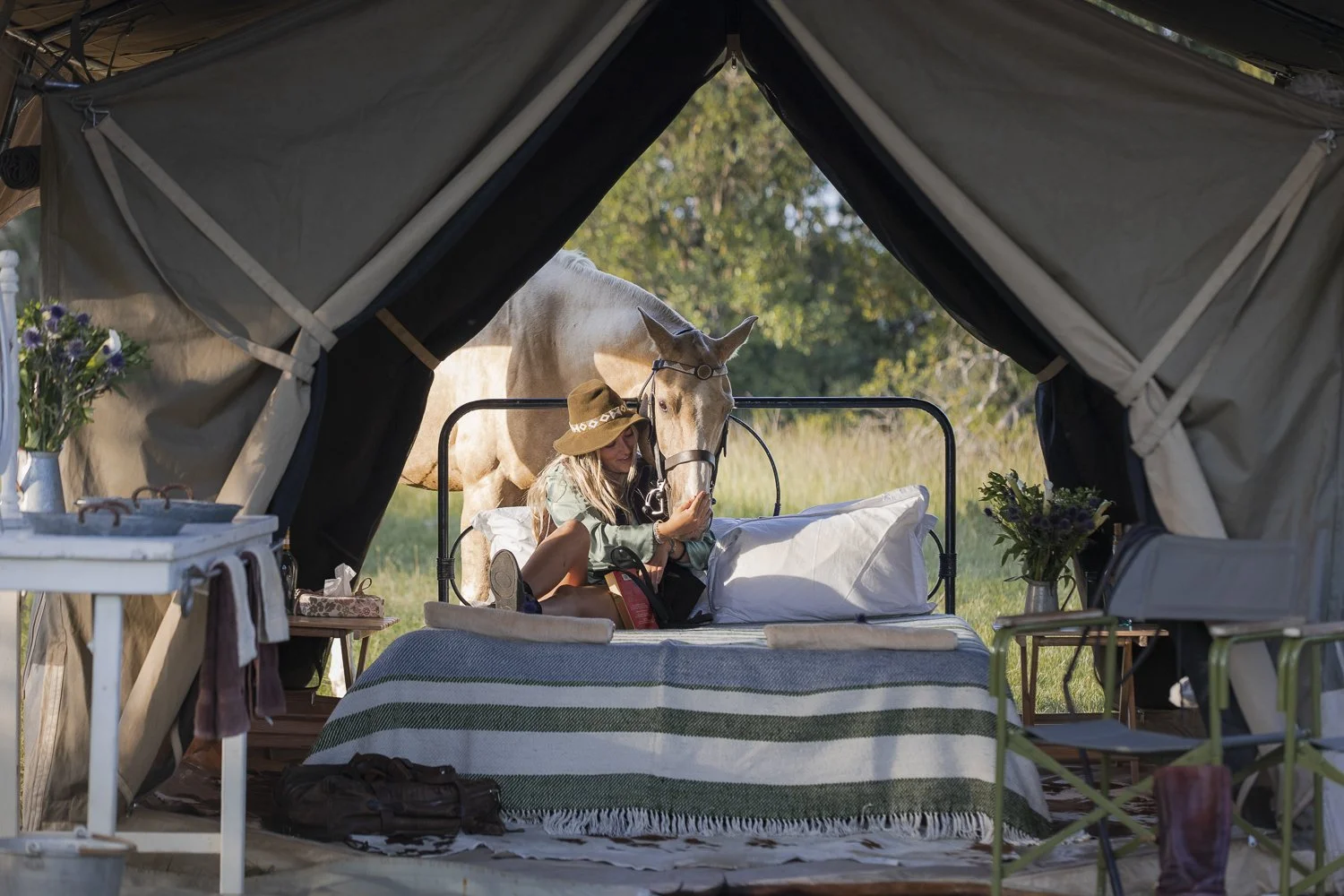
There are mobile riding safaris that move through the Mara ecosystem and create a classic “under canvas” feeling, with riding as the central thread.
This is not a beginner format. It’s for riders who are happy to be in the saddle for hours, who can handle speed in open country, and who want a safari that feels like an expedition with style.
I love pairing Mara riding with:
a few nights of classic game drives (so non-riders can still have a rich experience)
a coastal finish (Diani or Lamu) so your body can recover and your honeymoon/holiday can soften
Botswana on horseback: the Okavango Delta, but from the saddle
Botswana is, in many ways, the pinnacle of African safari for travellers who want wilderness with integrity - and the Okavango Delta is one of the most extraordinary places on earth to ride.
There are specialist operators who base their entire model around this experience, including Okavango Horse Safaris.
And for travellers looking at specific camps and formats, Macatoo Camp is a name that comes up often in the horseback safari world.
What makes the Okavango unique on horseback
Water: seasonal floods change the map - you ride through floodplains and along channels.
Wildlife density: you’re not “seeking” animals; you’re moving through a living system.
Perspective: the delta feels different at ground level - slower, more sensory, more real.
Many travellers also love timing the Okavango when the floods are high (often cited as roughly May to September), because the delta becomes lush and dramatic.
How I build an equestrian safari itinerary (the ZIA method)
A horseback safari sits inside a bigger journey - and my job is to make the whole thing seamless.
At ZIA, we craft journeys with three core pillars - Destination Management, Private Travel, and Bespoke Itineraries - and equestrian safaris usually use all three.
Here’s the structure I follow:
Step 1: Match the riding to the rider
This includes:
a rider profile questionnaire (honest and specific)
preferred pace (steady vs fast)
comfort with wildlife encounters
weight/height considerations (every outfit has its own limits; confirm early)
whether you’re travelling with non-riders, kids, or mixed abilities
Some outfits publish guidance such as maximum weight limits (often around 90kg for certain riding programmes), and it’s important to discuss this openly so the horses are protected and your ride is safe.
Step 2: Protect the horse welfare
This is non-negotiable. A great riding safari is one where the horses look and feel superb - well-conditioned, well-fed, well-managed, and matched to rider ability.
If the welfare isn’t right, we don’t recommend it.
Step 3: Design the trip with “recovery” built in
Hours in the saddle are physical. Even experienced riders feel it.
So I build in:
a lighter day after long riding days
a lodge stay where you can swim, stretch, and sleep
a beach finish or spa component if the trip is also a celebration
Step 4: Keep logistics invisible (especially when moving between regions)
This is where private travel can elevate the experience: private charters, luxury transfers, VIP handling - whatever reduces friction and keeps the trip flowing.
In Africa, the “how” matters. A poor transfer can erase the mood of a great ride. A seamless one makes the journey feel continuous.
What a great riding day actually feels like
A well-run equestrian safari day tends to follow a rhythm that riders love:
Early ride: when the air is cool and the light is soft
Brunch / rest: time to recover, swim, nap
Afternoon ride: often faster, more expansive
Sundowners: the classic safari ritual, but earned from the saddle
Evening: stories, fires, quiet - and that deep tiredness you can only get from moving through wilderness under your own power
In Botswana, that might include water crossings and floodplain riding.
In Kenya, it might include huge plains and long horizons.
Packing for an equestrian safari (my essentials)
Every operator will give you a kit list, but these are the items I see riders forget most often:
a well-fitted helmet you trust (even if some outfits provide them)
gloves (for long reins, long days)
comfortable riding boots you’ve already broken in
breathable layers (mornings are cool; afternoons can be hot)
a light rain layer (depending on season and destination)
a small daypack or saddle bag (if permitted by the operator)
sunscreen + lip balm - constant exposure is real
And please: travel insurance that covers equestrian activities, including riding in wilderness environments.
Who I recommend horseback safaris for (and who I don’t)
Horseback safaris are extraordinary - but they’re not for everyone.
I recommend them if you:
are a confident rider (or you choose an itinerary designed for your ability)
love immersive travel and don’t mind getting dusty
want a safari that feels active and alive
respect that the horse’s wellbeing comes first
I don’t recommend them if you:
are nervous at speed but feel pressured to do it
dislike unpredictability
want to “tick off” wildlife quickly (vehicles are better for that)
The best equestrian safaris are chosen with enthusiasm, not ego.
Final thought: Africa is even more honest from the saddle
ZIA was built on the belief that travel should feel considered and intimate - not manufactured.
For riders, a horseback safari is one of the purest ways to experience that. It’s quiet. It’s physical. It’s deeply present.
If you’re dreaming about Kenya, Botswana, or a multi-country equestrian journey - with the right horses, the right pace, and the right balance of wildness and comfort - I’d love to craft it with you.