The Multi‑Generational Safari: How I Design One Trip That Works for Everyone
There’s a moment on safari that I never get tired of watching.
It’s usually the first morning game drive - the air still cool, the light just beginning to turn gold - and the vehicle goes quiet. Not because there’s something dramatic in front of us (though that does happen), but because everyone is taking it in in their own way.
A grandparent leans forward, suddenly young again. A teenager puts their phone down without being asked. A child whispers, as if the bush can hear them. And the parents - who have been “holding it all” for years - finally exhale.
That is why multi‑generational safaris matter.
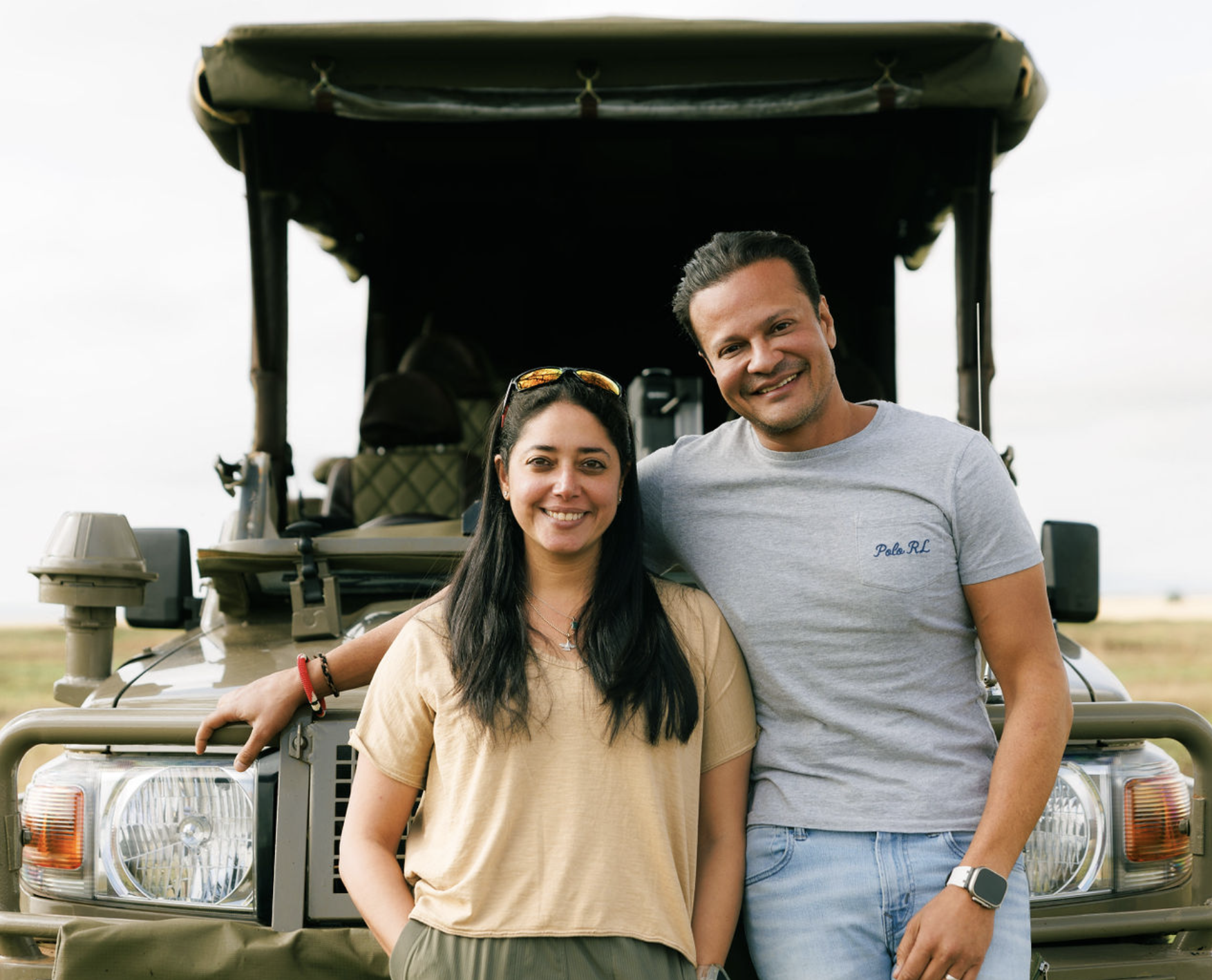
At ZIA, we’re built for this kind of travel: intimate, personal, and designed around the people behind the itinerary. Every journey begins with Zeenia and me, shaped by lived experience and relationships across Africa’s travel landscape. When I design a family safari, I’m not just planning a holiday - I’m creating a shared memory bank that will outlive the trip.
Here’s how I do it.
Principle 1: One trip, multiple rhythms
Multi‑generational travel works when the itinerary has options built into it - not chaos, not constant compromise, but a natural ability for different people to have different days.
I plan with three lanes in mind:
The adventure lane (early mornings, longer drives, tracking, walking, active days)
The comfort lane (shorter outings, slower starts, scenic drives, gentle pacing)
The together lane (moments where everyone is present - meals, sundowners, a fire, a celebration)
The key is that no lane is “better.” They’re just different, and they deserve equal respect.
This is where private planning becomes essential: if you’re trying to force a family trip into a standard itinerary, someone ends up tired, frustrated, or bored. But when the journey is built around your family’s dynamics, it feels easy.
Principle 2: Choose properties that make family life effortless
People often ask me which destination is best for families. My answer is always the same: the best destination is the one with the right setup.
A multi‑generational safari becomes smooth when the accommodation supports the way families actually move and rest.
What I look for in family‑friendly properties
Space and privacy: family suites, private houses, or two rooms that can connect
Flexible dining: chefs who can adjust timing and menus without fuss
A strong guiding team: guides who can engage a 12‑year‑old and a 72‑year‑old in the same vehicle
Safe design: good lighting, clear pathways, thoughtful room layouts
Activities beyond game drives: so kids and teens have variety, and grandparents can choose gentle options
In Kenya, for example, I love the way you can combine iconic safari areas like the Maasai Mara with the Indian Ocean - a land of contrasts where savannah meets turquoise coastline. That contrast is brilliant for families because it naturally gives you different “chapters” without needing constant logistics.
Principle 3: Keep the logistics invisible
The difference between a good family trip and a great one is often the part no one sees: logistics.
At ZIA, destination management is one of our core services - meticulous planning and flawless on‑ground support, from wild savannahs to tranquil beaches. And on a multi‑generational journey, that matters even more, because the cost of confusion is higher.
Here’s what I build into the trip so your family doesn’t have to think about it:
Seamless arrivals
airport meet‑and‑greet (especially helpful with kids or older travellers)
luggage handling that doesn’t become a family project
transfers that are private, comfortable, and timed around energy levels
Smart routing (to protect energy)
Families don’t need to “earn” a safari by suffering long transfers. If we can fly between regions instead of driving all day, we often should - especially when travelling with grandparents or young children. Our Private Travel service exists for exactly this reason: jets, helicopters, luxury ground transport - whatever protects the journey’s ease and privacy.
A plan B that no one needs to know about
Weather shifts. Flights move. Kids get tired. Someone needs a quieter day. We design with contingency from the start so the trip stays calm even when life happens.
Principle 4: Build in “togetherness” without forcing it
One of the biggest mistakes I see in group travel is trying to keep everyone together for everything.
Families don’t bond because they do the same activity every hour. They bond because they share a few deeply felt moments - and then everyone has space.
Here are the together moments I prioritise:
The first shared sundowner
A simple ritual: the day softening, a drink in hand, and everyone telling their version of what they saw.
A “celebration meal” early in the trip
Not on the last night, when people are already grieving the end. Early. While the trip is still opening.
A fire night
No phones. Stories. Listening. This is where grandparents become the main characters.
Principle 5: Design activities that work across ages
Safari is naturally multi‑generational - it’s visual, it’s sensory, and it invites curiosity. But not every activity suits every person, and that’s okay.
When I plan, I like to offer a “menu” each day:
a classic game drive for everyone who’s up for it
a shorter, gentler option (or a sleep‑in) for anyone who needs it
a mid‑day experience on property: pool, spa, reading, art, photography
an optional add‑on: walking, cultural visit, conservation experience
And for families with specific passions, ZIA designs bespoke itineraries that can incorporate special interests - including golf, polo, and equestrian experiences.
Principle 6: Talk about comfort and health early (kindly, not clinically)
I’m not a doctor, and I never give medical advice - but I do know that comfort decisions make or break a family safari.
So I ask practical questions early:
Who is a light sleeper?
Does anyone have mobility limitations or injuries?
Are there young children who need naps?
Are there dietary restrictions that need real attention?
And I recommend that every family speaks with a qualified travel clinic or physician well in advance, especially when travelling across multiple regions.
When we know what matters, we can design around it.
Two sample multi‑generational structures I use often
Every family is different, but these two frameworks work extremely well.
Structure A: “One safari base + one coastal base” (easy, balanced)
Why it works: It gives you variety without constant repacking.
Base 1: Safari (5–7 nights)
Choose a property with a family suite or private house. Add a private vehicle so the days belong to your family, not a group schedule.Base 2: Coast or island (4–6 nights)
Let the trip soften. This is where grandparents rest, kids swim, and parents finally take a nap without guilt.
Kenya is a beautiful example of this structure because it naturally offers savannah + sea in one country.
Structure B: “Two safari chapters with a pause” (deeper, for older kids/teens)
Why it works: It keeps teenagers engaged and gives the trip more depth.
Chapter 1: A spacious, conservation‑forward area (3–5 nights)
Walking, community, conservation. A sense of meaning.Pause: One night to reset
A gentle stop (often in a city or a transit lodge) so the trip doesn’t feel like constant intensity.Chapter 2: A high‑wildlife area (4–6 nights)
Big cats, iconic landscapes, classic safari energy.
This structure suits families who want the “Africa story” to have layers.
What makes ZIA different for family travel
Multi‑generational safaris demand two things at once: precision and empathy.
ZIA exists in that space. We’re not a conventional travel company; we’re a personal atelier, intentionally small, where journeys are built by hand and guided by lived experience.
For family groups, that means:
the itinerary is designed around your relationships, not just your dates
the logistics are handled so you can stay present
the experience is cohesive - not a collection of bookings
And because planning has its own complexity, we structure it clearly: Tailored Getaway, Curated Journey, Immersive Escape, Grand Expedition - matched to the size and scope of your trip.
My final advice: leave space for the unexpected
The best family safaris are rarely the most “packed.”
They’re the ones with enough breathing room to notice what Africa offers so naturally:
silence that feels like peace, not emptiness
laughter that comes easily around a fire
a shared moment of awe that no one planned
If you’re dreaming about bringing your family to Africa - three generations, one unforgettable story - Zeenia and I would love to craft it with you.